
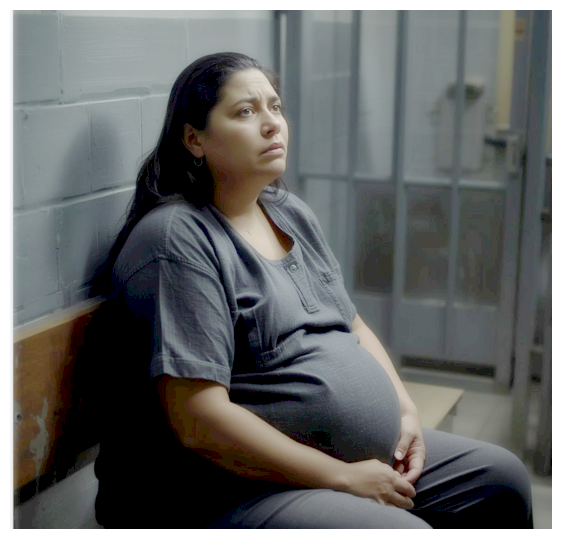
Recently, Leonela Gomez-Hernandez, who is eight months pregnant, went to a doctor’s appointment. When she was done, she waited for an Uber outside the medical center. Suddenly, Immigration and Customs Enforcement (ICE) agents detained and deported her to Nicaragua without due process.
Examples like this clearly indicate that the policies of detention and deportation of immigrants carried out by the Department of Homeland Security and Immigration and Customs Enforcement, especially the recent escalation of mass raids, are serious public health issues with dire consequences for pregnant, postpartum, and lactating people.
These policies are rooted in racism, immigration status discrimination, and gender oppression and disproportionately impact Latina, Black, Indigenous, and low-wage immigrants, compounding existing racial and economic health disparities.
According to the Women’s Refugee Commission, “Since 2021, we have had an ICE policy that prohibits the detention of pregnant, postpartum, and lactating women, except in certain exceptional circumstances.” Currently, the federal administration has not provided concrete data on the number of pregnant, postpartum, or lactating individuals it has detained in Illinois or facilities in other states. The lack of transparency and oversight is creating harmful conditions for birthing people.
From a reproductive justice perspective, this means the state is failing to ensure that pregnant immigrants can make autonomous decisions about their bodies and families and can survive pregnancy and childbirth safely.
Detention harms maternal and child health because when ICE officials apprehend a pregnant person, they will most likely experience the following:
- Inadequate prenatal care: Detention centers have repeatedly been criticized for delayed or insufficient prenatal visits, poor nutrition, and a lack of specialists.
- High-risk pregnancies: Stress, poor medical monitoring, and unsafe conditions increase risks like preeclampsia, miscarriage, and preterm birth.
- Shackling and transport: Some pregnant detainees have reported being restrained or transported in ways that are dangerous during pregnancy or labor.
- Increased risk of illnesses that cause pregnancy complications: Those who have been detained are more vulnerable to experiencing severe cases of COVID-19, flu, and other diseases, which spread quickly in crowded places and are more likely to cause severe illness for pregnant people.
Pregnant immigrants are also avoiding hospitals and prenatal care out of fear that their information could lead to arrest or deportation. This fear often forces them to stay hidden and isolate themselves from support systems. This deepens the emotional distress that can contribute to complications during pregnancy and the postpartum period, impacting the early bonding with their infants.
Forced separation also creates family disruption in mixed-status families if a pregnant woman is detained and taken to an out-of-state detention facility. After birth, some newborns are also separated from their mothers due to deportation or child welfare involvement. When this happens, the right to parent children with dignity and stability is undermined.
Research from the UIC Center on Depression and Resilience also shows that raids, detention, and deportation generate widespread fear and mistrust throughout communities. The consequences extend beyond individuals to children’s development, academic performance, and overall well-being. Immigration enforcement is not just a legal issue; it is a community health crisis.
The bottom line is that people can’t safely carry a pregnancy to term without proper healthcare and humane conditions. Pregnant people should be supported in their communities, not incarcerated or deported during a critical period of life.
We must advocate for pregnant people detained by ICE, insisting that no one should have to risk their health or their baby’s life because of their immigration status. This is why EverThrive IL is committed to working with communities, partners, funders, and elected officials to ensure that everyone has the right to have children, not have children, and parent children in safe, healthy conditions.
Sources:
ACLU – Pregnant and Postpartum Women Face Neglect and Abuse In ICE Detention
American College of Obstetricians & Gynecologists
Keeping Women and Babies Safe In Immigration Detention
CALO News – ICE Detaining Pregnant & Nursing Immigrants